 |
|

|
|

Marijuana is an herb. It contains chemicals called cannabinoids that affect the central nervous system. Cannabinoids are found in the highest concentration in the leaves and flowers, the parts of the herb that are used to make medicine.
Some people take marijuana extract by mouth or as a spray to be applied under the tongue for pain and symptoms of multiple sclerosis.
Some people inhale marijuana for medicinal purposes. Marijuana is smoked for nausea, glaucoma, appetite stimulation, to reduce swelling of mucous membranes, for leprosy, fever, dandruff, hemorrhoids, obesity, asthma, urinary tract infections, cough, anorexia associated with weight loss in AIDS patients, nerve pain, and multiple sclerosis. It is also inhaled to weaken the immune system after kidney transplant to lessen the chance of transplant rejection. In addition, marijuana is smoked to reduce symptoms amyotrophic lateral sclerosis (ALS, Lou Gehrig's disease).
Some people use marijuana recreationally to create a sense of well-being or to alter the senses. It is either taken by mouth or smoked (inhaled).
Avoid confusion with hemp, a distinct variety of Cannabis sativa cultivated for its fiber and seeds, which contains less than 1% THC.
In the U.S., marijuana is classified as a Schedule I controlled substance, making possession illegal. Some states, such as California, Washington, Oregon, Arizona, and others, have legalized or decriminalized the use of medical marijuana, despite objections from the federal government. Some countries such as Canada also permit the use of medical marijuana.
New York is on track to become the 21st state to legalize medical marijuana this year, and two states—Colorado and Washington—have decriminalized recreational use as well. Americans now overwhelmingly support fewer restrictions on marijuana, with 86 percent saying doctors should be allowed to prescribe the drug for medical purposes.
Despite its surging popularity, the jury is still out on whether marijuana is truly the panacea its supporters claim it to be. Until recently, the drug's illegal status impeded rigorous study of its effectiveness. Several research groups are now taking advantage of today's looser laws to seek out answers. Here is where we stand for the six most studied conditions.
THERE ARE MANY TYPES OF HEALTH PROBLEMS THAT MARIJUANA CAN FIX:
1. Cancer -Numerous trials have indicated that medical marijuana increases appetite and reduces chemotherapy-related nausea in the short term. Yet it may not be as effective as other recently developed drugs, so marijuana is not considered a first-line treatment for these symptoms.
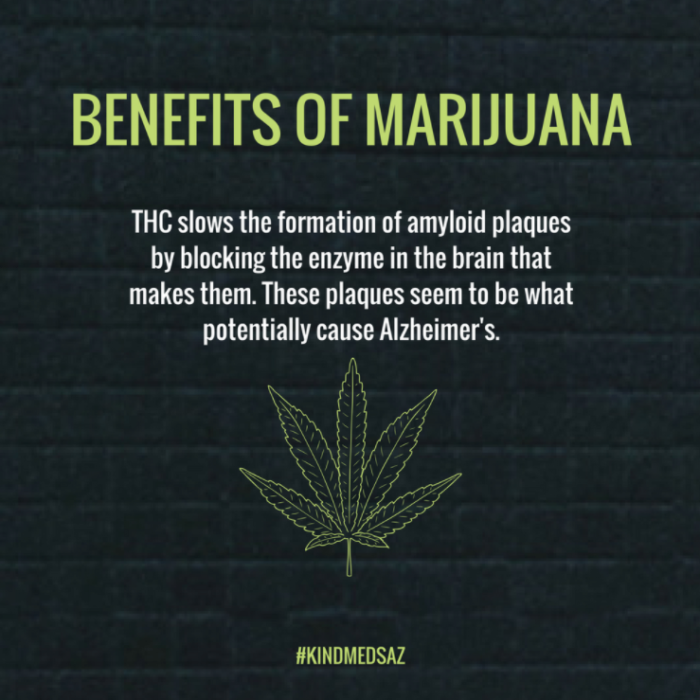
2. Epilepsy - Multiple animal studies have suggested that THC, one of the main psychoactive chemicals in cannabis, may inhibit the brain processes thought to cause seizures. High-quality human studies are lacking, however, leaving many open questions.
3. HIV and AIDS - In one randomized controlled trial, patients given a cannabislike compound were twice as likely to gain weight as patients given a placebo—a boon for people battling the wasting effects of this disease. The treatment's long-term effectiveness remains untested.
4.Glaucoma - Several studies have found that smoking marijuana lowers pressure inside the eye, relieving glaucoma-related discomfort for about three to four hours. Yet a number of pharmaceutical drugs have been shown to be more effective and longer lasting than medical marijuana.
5.Multiple sclerosis (MS)- A large trial published in 2012 found that a cannabis extract significantly decreased muscle stiffness and other MS symptoms. A smaller study found that smoking cannabis worked better than a placebo in reducing both spasticity and pain in treatment-resistant participants. Given the few therapies available for MS, a 2011 review concluded that medical marijuana might be a viable way to manage certain symptoms.
6. Pain and Inflammation - Studies have suggested that marijuana is only slightly better than a placebo in reducing acute inflammation, and it may even increase the perception of pain in some patients. When taken in combination with other medications, however, various cannabis-derived drugs have been shown to be moderately effective for reducing chronic neuropathic pain.
MEDICAL MARIJUANA'S DEEP ROOTS
2700 B.C.:
Legendary Chinese emperor Shennong is said to discover the healing properties of marijuana.
Legendary Chinese emperor Shennong is said to discover the healing properties of marijuana.
1500 B.C.:
Medical papyri from Egypt mention marijuana as a cure for sore eyes and inflammation.
Medical papyri from Egypt mention marijuana as a cure for sore eyes and inflammation.
600 B.C.:
Bhang, a drink of cannabis and milk, is used widely as an anesthetic in India.
Bhang, a drink of cannabis and milk, is used widely as an anesthetic in India.
A.D. 79:
Roman naturalist Pliny the Elder cites boiled cannabis roots as a treatment for gout, pain and cramped joints.A.D. 800:
Roman naturalist Pliny the Elder cites boiled cannabis roots as a treatment for gout, pain and cramped joints.A.D. 800:
Islamic physicians prescribe cannabis for a variety of ailments, although some decry it as a “lethal poison.”
A.D. 1542:
German physician Leonhart Fuchs names the plant Cannabis sativa.
German physician Leonhart Fuchs names the plant Cannabis sativa.
A.D. 1842:
British army surgeon William Brooke O’Shaughnessy introduces marijuana into medical practice as a treatment for pain, nausea and convulsions.
British army surgeon William Brooke O’Shaughnessy introduces marijuana into medical practice as a treatment for pain, nausea and convulsions.
A.D. 1850:
The United States Pharmacopeia, which issues the official handbook for dispensing medications, classifies marijuana as a legitimate medical compound.
The United States Pharmacopeia, which issues the official handbook for dispensing medications, classifies marijuana as a legitimate medical compound.
A.D. 1925:
A League of Nations treaty limits cannabis use to medical or scientific purposes. Aspirin and other newly developed drugs begin to replace cannabis as treatments for pain.
A League of Nations treaty limits cannabis use to medical or scientific purposes. Aspirin and other newly developed drugs begin to replace cannabis as treatments for pain.

this kind of blog can help the youth to gain more knowledge about the disadvantage and advantage of marijuana. you need to read this kind of blog. thank you for the information
ReplyDeleteYour topic is well discussed.
ReplyDeleteyour blog is ok ... yung though talaga nandon halos lahat ng gusto kong makita is nailagay mo pati yung 10 major benefit health ng marijuana nailagay mo rin kaya good job .... ipagpatuloy ang magandang nasimulan..
ReplyDeleteyour right marijuana is an medicine but some people abusing it
ReplyDeleteYou're right!
Deleteanyways your blog is all in all good because it has knowledge to be share to anyone who are not aware and for those who do not know about this kind of gateway drugs.
ReplyDeleteat least use HD pictures,the pictures on the top are so low quality
ReplyDeleteYour blog is very awesome more than others ...and very knowledgeble, good job and keep it up!
ReplyDeletegood job,because the marijuana is dangerous to our life
ReplyDeletehaha. I am not against on using marijuana. I think you must read it again!
Deleteyour right, marijuana is medicine in other country, But other country is abusing it, That the people will damage into their body
ReplyDeleteno! our country is abusing it! Don't blame other country! But i don't blame our country too. To be fair.
Deletemany people use marijuana pero nd nila naisip na nakapagdudulot ito ng napakalalang sakit sa kanilang health....kaya kailangan nila itong basahin upang sa gayoy malaman nila kung ano ba talaga ang magagawa ng marijuana sa kanilang buhay....very nice blog
ReplyDeleteNice plot! It is a knowledgeable blog.It contains of facts and evidences to prove the facts said above. Good job!
ReplyDeletehow about in the philippines.
ReplyDeletethis kind of your blog is to know about the advantge and disadvantage
ReplyDelete